Logistics Management System
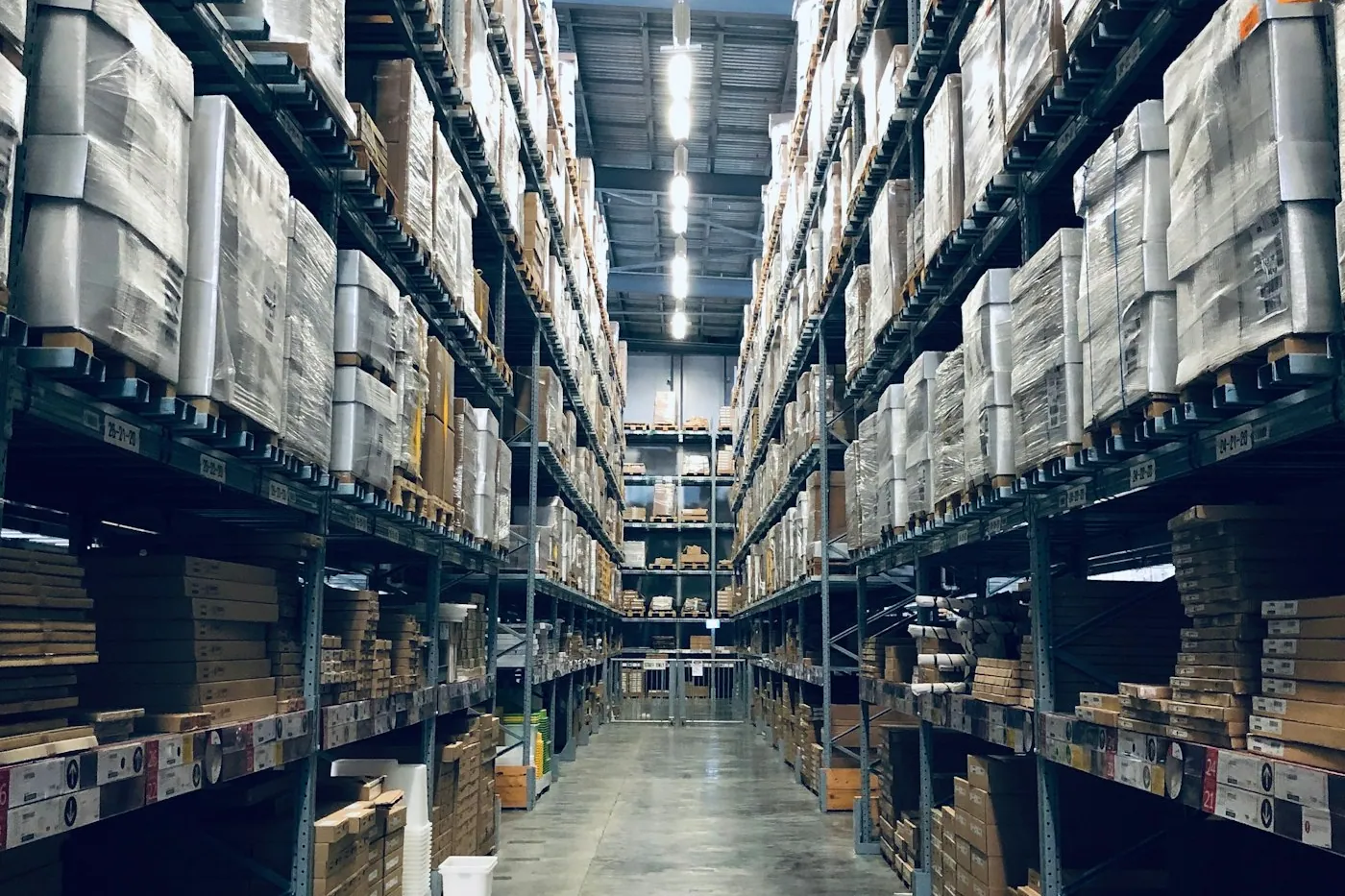
Fleet tracking, route planning and digital proof of delivery for a regional distribution operator running a mixed vehicle fleet.
- Duration
- 8 months
- Automated
- Daily route planning, replacing manual dispatch
- Digital
- Proof of delivery captured at the doorstep
- Fewer
- Inbound status calls to the office
The Challenge
Dispatch planning was done on a whiteboard each morning. Once vehicles left the depot there was no visibility, and customers called the office for delivery status. Proof of delivery was collected on paper and often lost.
Our Solution
We delivered a dispatch and tracking platform with automated route planning, a driver mobile app with offline support, and customer-facing tracking links that removed most status calls.
How the work was sequenced
Technologies
- 01
Depot and route data modelling
- 02
Route optimisation engine with constraint handling
- 03
Offline-first driver application
- 04
Customer tracking and notification links
- 05
Cloud infrastructure as code with autoscaling
Sample project: this case study is illustrative content created for this website build. It does not represent a real client, engagement or verified outcome.
How a build like this is put together
The reference architecture and delivery pipeline below are the shape we would apply to a project of this kind. Both are illustrative, like the rest of this sample case study.
- L1Clients
- Browser and mobile clients built from one design system and one typed API contract. (Web · Next.js, Mobile · React Native)
- L2Edge
- CDN, WAF and TLS termination. Static assets and cacheable reads never reach the origin. (CDN + WAF, TLS termination, Static cache)
- L3API gateway
- One entry point: OIDC authentication, per-tenant rate limits, request routing and audit logging. (Auth · OIDC, Rate limiting, Routing + audit)
- L4Services
- Independently deployable services communicating over HTTP and an event bus, each owning its data. (identity-svc, orders-svc, billing-svc, events-worker)
- L5Data layer
- Primary relational store with read replicas, a cache tier, object storage and an analytics warehouse. (PostgreSQL, Redis cache, Object store, Warehouse)
- 01commit
Status: passed · 0m 06s
Signed commit, conventional message, linked ticket.
- 02build
Status: passed · 2m 18s
Reproducible container image with an SBOM attached.
- 03test
Status: passed · 3m 44s
1,284 unit, contract, accessibility and security checks.
- 04stage
Status: passed · 1m 21s
Deployed to staging, smoke suite and migration dry-run.
- 05prod
Status: passed · 2m 12s
Canary at 10%, promoted on clean metrics, 24h rollback.
Sample pipeline run shown for demonstration. Stage names reflect how we structure delivery; the run, commit reference and durations are illustrative.


Have a Technology Challenge?
Let's discuss how technology can help your business grow.